
Which crossover gives better everyday traction for commutes near Naperville, IL — the 2026 Mitsubishi Outlander Sport or the 2026 Toyota Corolla Cross?
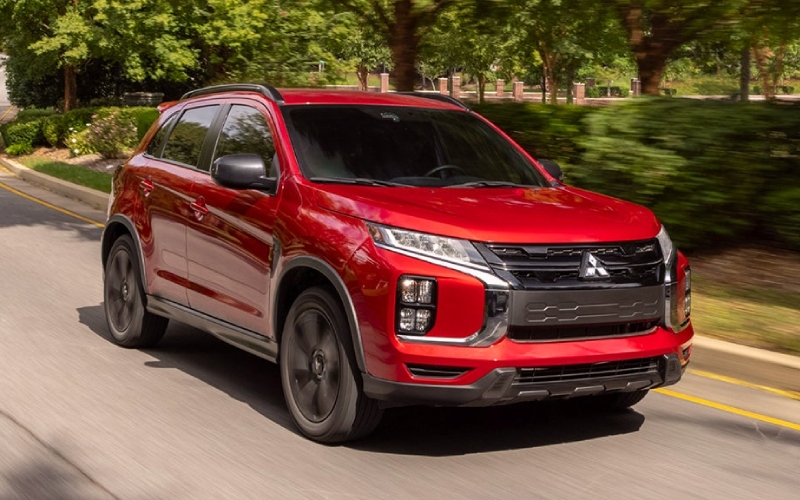
Motor Cars Mitsubishi – Which crossover gives better everyday traction for commutes near Naperville, IL — the 2026 Mitsubishi Outlander Sport or the 2026 Toyota Corolla Cross?
When local drivers ask which compact crossover handles everyday traction best around Naperville, IL, the conversation usually centers on how the all-wheel-drive system behaves when the route turns unpredictable. Quick showers, slushy intersections, sudden lane changes on Route 59 — that is real life. In that context, the 2026 Outlander Sport and 2026 Corolla Cross both bring smart tech, but they make very different promises. One prioritizes all-weather assurance on every trim; the other makes AWD widely available but not universal.
Here is the short answer: if you value surefootedness baked into every configuration plus confidence-boosting details that matter when the weather turns, the Outlander Sport is the more consistent partner. Standard All-Wheel Control (AWC) across the Outlander Sport line means you do not have to target a specific grade to get intelligent traction. Toyota’s Corolla Cross lineup offers AWD on gas trims and makes it standard on Hybrid grades with Electronic On-Demand AWD, which is good news — but drivers comparing the two often find Mitsubishi’s across-the-board approach simpler and more reassuring.
What changes the way a compact SUV feels on real roads?
Traction systems are at the core of confidence, but so are the chassis and the little details. The Outlander Sport brings 8.5 inches of ground clearance, which helps in snow ruts and steep driveways, and it pairs a MacPherson strut front suspension with a multi-link rear to keep the body composed across patched asphalt. The Corolla Cross adds a multi-link rear suspension on AWD and Hybrid configurations; some gas FWD models use a torsion beam rear. Both are easy to drive in traffic, but the Outlander Sport’s standard AWC and consistently elevated stance give it a planted feel when the pavement is less than perfect.
Visibility and control matter just as much. LED low and high beam headlights are standard on both, which you feel immediately on a dark two-lane stretch. The Outlander Sport adds rain-sensing windshield wipers standard, a convenience that reacts quicker than most of us can when a sudden shower pops up. It also includes a temporary spare tire, a small but meaningful advantage when construction debris or a hidden curb interrupts your day. Many Corolla Cross grades use a tire repair kit — workable, yes, but not as flexible when a sidewall gets compromised.
Safety tech and structure — not just features, but philosophy
On paper, both vehicles cover the active-safety essentials. The Outlander Sport equips Advanced Driver Safety Technology Systems like Forward Collision Mitigation (FCM) with Pedestrian Detection, Lane Departure Warning, Automatic High Beam, Active Stability Control, and Hill Start Assist. Toyota Safety Sense™ 3.0 on Corolla Cross adds a robust set that includes Pre-Collision System with Pedestrian Detection, Full-Speed Range Dynamic Radar Cruise Control, Lane Tracing Assist, Road Sign Assist, and Proactive Driving Assist. The big philosophical difference is structural: Mitsubishi’s RISE body construction is a long-standing approach that routes impact energy away from occupants using reinforced pathways, and it is standard across the Outlander Sport lineup. That structural confidence complements the traction story; good hardware up top deserves a strong foundation underneath.
Comfort and tech do not take a back seat either. Both models make everyday connectivity simple with standard Apple CarPlay® and Android Auto™ and intuitive 8-inch touchscreens on most trims. The Corolla Cross offers an available 10.5-inch display and 12.3-inch gauge cluster on top grades; the Outlander Sport counters with clean, straightforward controls and automatic climate control standard. Both offer heated front seats on select trims. If your commute runs from a morning school drop-off to a late-evening pickup, you will appreciate that both cabins keep essentials within quick reach and maintain a calm, quiet atmosphere.
Ownership confidence — where long-term value comes into focus
Coverage is another area where shoppers are surprised by the differences. Mitsubishi backs the Outlander Sport with America’s Best-Backed Vehicles, headlined by a 10-year/100,000-mile Powertrain Limited Warranty, plus 2-year/30,000-mile Limited Maintenance and 5 years of Roadside Assistance. Toyota’s basic and powertrain warranties are shorter by comparison, and roadside coverage is not as long. If you plan to keep your crossover through several Chicagoland winters, that peace of mind adds real value. It is not just the drive today — it is the support behind every mile.
Practicality still matters. The Outlander Sport’s compact footprint and 34.8-foot turning circle makes parking in busy lots or tight downtown spaces less stressful. The Corolla Cross counters with slightly larger cargo numbers behind the second row on some configurations. Both seat five, both offer fold-down rear seats for bulky items, and both make day-to-day tasks easy. The difference is how prepared each feels when the day runs off-script — slick gutters, diagonal street parking, or a quick run out to a trailhead after work.
- Everyday traction focus: Outlander Sport’s standard AWC on every trim simplifies choosing and builds consistent confidence; Corolla Cross offers AWD widely but not across all gas grades.
- Real-road readiness: 8.5 inches of ground clearance, rain-sensing wipers, and a standard temporary spare tire tip the Outlander Sport toward all-weather practicality.
- Long-haul assurance: Mitsubishi’s 10-year/100,000-mile Powertrain Limited Warranty and 5 years of Roadside Assistance provide coverage many owners prioritize.
If your question boils down to which crossover keeps its composure across wet pavement, sleet, and surprise detours, the Outlander Sport’s standard-issue traction story and structural confidence make a strong case. The Corolla Cross remains a capable option with impressive available tech, especially in Hybrid form, but for a commuter who wants the same confident setup no matter which trim is in the driveway, Mitsubishi’s approach is refreshingly straightforward.
Frequently Asked Questions:
Does the Outlander Sport include all-wheel drive on every trim?
Yes. All-Wheel Control (AWC) is standard across the Outlander Sport lineup, so every configuration is built for traction without stepping up to a specific grade.
Do both SUVs include advanced driver assistance features?
Yes. Outlander Sport includes Forward Collision Mitigation with Pedestrian Detection, Lane Departure Warning, Automatic High Beam, and more. Corolla Cross features Toyota Safety Sense™ 3.0 with comparable capabilities including Lane Tracing Assist and Proactive Driving Assist.
Which one is better prepared for surprise weather?
The Outlander Sport leans into all-weather confidence with standard AWC, 8.5 inches of ground clearance, standard rain-sensing wipers, and a temporary spare tire. Corolla Cross counters with available AWD and robust safety tech; Hybrid grades include AWD standard.
What about long-term ownership peace of mind?
Mitsubishi backs Outlander Sport with a 10-year/100,000-mile Powertrain Limited Warranty and 5 years of Roadside Assistance. Toyota’s powertrain coverage is shorter, and roadside assistance is not as long.
Ready to compare on a test drive and feel the difference for yourself? Visit our team — Motor Cars Mitsubishi, serving Naperville, Bolingbrook, and Downers Grove — for a road route that shows how traction, ride quality, and visibility come together on your daily commute.
0 comment(s) so far on Which crossover gives better everyday traction for commutes near Naperville, IL — the 2026 Mitsubishi Outlander Sport or the 2026 Toyota Corolla Cross?