
Which AWD system is better for daily driving around Naperville, IL — S-AWC on the 2026 Mitsubishi Outlander or AWD on the 2026 Kia Sorento?
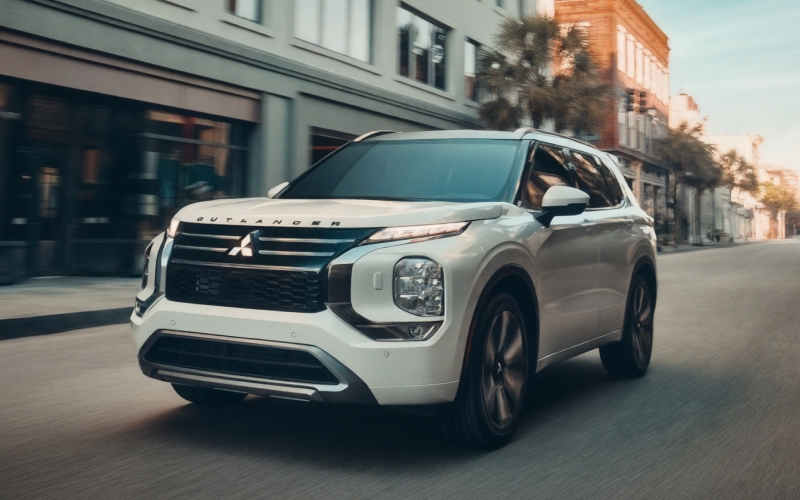
Motor Cars Mitsubishi – Which AWD system is better for daily driving around Naperville, IL — S-AWC on the 2026 Mitsubishi Outlander or AWD on the 2026 Kia Sorento?
When comparing three-row crossovers for confident traction, one common question comes up right away: which all-wheel system feels more secure and intuitive in everyday use? Between S-AWC on the 2026 Mitsubishi Outlander and the available AWD with Terrain Mode on the 2026 Kia Sorento, both brands deliver advanced tech with multiple drive settings. Yet the character of these systems—how they respond to a wet start, a quick lane change, or a slushy side street—can feel different from the driver’s seat. This blog breaks down how each setup works, where the strengths appear on real roads, and what to expect in day-to-day driving around neighborhoods, school zones, and commuter routes.
Outlander’s S-AWC (Super All-Wheel Control) is a Mitsubishi hallmark, blending front-to-rear torque distribution with yaw control via selective wheel braking to help the vehicle track with assurance. It’s paired to a well-sorted chassis, giving confident on-center feel and tidy response when you tip into a corner or adjust mid-curve. Drive modes—including Normal, Eco, Tarmac, Gravel, Snow, and, on certain models, Mud—tailor the system to match the surface. S-AWC operates transparently, meaning the system’s corrections feel seamless, not intrusive, and the steering remains consistent as conditions change underfoot. Sorento’s available AWD with Terrain Mode also brings tangible capability, with modes designed for light off-pavement use. In daily driving, it offers secure traction for rain, light snow, and the cut-and-thrust of suburban traffic, though it doesn’t employ the same integrated yaw-control philosophy as S-AWC.
For the Chicago suburbs, where the same week can bring dry pavement, rain-glossed intersections, and a dusting of snow, tuning and predictability matter. Outlander’s system seems purpose-built for this variability, aided by the vehicle’s balanced suspension and steering ratio. That composure shows up when turning left across traffic from a wet stop or making a quick adjustment to dodge debris. Paired with a 48V Mild Hybrid system that smooths off-the-line response and helps support the turbocharged 1.5L MIVEC engine, Outlander feels settled and ready even as conditions evolve. Sorento’s available AWD and ground clearance help with the occasional gravel pull-off or muddy soccer field, while Terrain Mode lets you dial responses for specific surfaces. For many, both approaches are more than capable; the difference is how naturally that capability flows through the steering wheel and pedal feel in daily life.
Confidence isn’t solely about traction; it’s also about what helps you see and react. Both SUVs offer helpful tech—360° multi-view/surround view cameras for tight parking, and driver-assist features that take the edge off commutes. Outlander’s available MI-PILOT Assist™ with Navi-link combines adaptive cruise with Stop & Go, lane centering, and speed assist informed by map data. Sorento counters with available Highway Driving Assist 2. Each works best on clearly marked highways and requires hands-on attention, but the result is less fatigue, steadier gaps, and smoother merges.
Sound and cabin integration can also influence perceived confidence. Outlander’s available Dynamic Sound Yamaha® Premium or Ultimate audio is notable for how it adapts in real conditions. Speed Compensated Volume is standard on Yamaha® Premium and Ultimate, and the Ultimate system adds Rain Compensated Volume and Air-Conditioner Compensated Volume. Those refinements keep navigation prompts and alerts clear when wind, wipers, or HVAC noise rise—useful for multitasking moments in busy traffic. Sorento’s available Bose® system offers rich audio as well; both approaches are quality, but Yamaha®’s human-centered tuning creates a rare level of clarity when life gets loud inside and out.
For families comparing both vehicles, everyday flexibility matters too. Outlander’s standard 7-passenger seating and 40:20:40 second-row split simplify car-seat placement and cargo juggling. The available kick-motion sensor makes the power liftgate especially helpful when hands are full. Sorento’s available Smart Power Liftgate with Auto Close is convenient when you approach or step away, and optional captain’s chairs create a premium second row. Both cabins are feature-rich with standard wireless smartphone integration. If audio fidelity and simplified cargo moments are priorities, Outlander’s small touches add up.
- System philosophy: Outlander’s S-AWC integrates torque distribution with yaw control for a natural, planted feel; Sorento’s AWD with Terrain Mode emphasizes surface-specific traction for light off-pavement use.
- Everyday behavior: Outlander’s 48V MHEV support smooths starts and transitions, complementing S-AWC composure in rain or slush; Sorento’s AWD inspires confidence in varied suburban scenarios.
- Visibility and assist tech: Both offer 360° camera views; Outlander’s MI-PILOT Assist™ with Navi-link and Sorento’s Highway Driving Assist 2 reduce highway fatigue.
- Cabin and audio: Outlander’s available Dynamic Sound Yamaha® systems maintain clarity via SCV and RVC/ACV functions; Sorento’s available Bose® system delivers immersive sound.
- Hands-free practicality: Outlander’s available kick-motion sensor tailgate aids true hands-full moments; Sorento’s Smart Power Liftgate with Auto Close adds proximity convenience.
Frequently Asked Questions:
Is S-AWC full-time and does it work on dry pavement?
S-AWC is always monitoring conditions and can help even on dry pavement by subtly managing torque and braking to support stability and steering precision, then dialing up traction as grip decreases.
Will Sorento’s AWD with Terrain Mode handle a muddy field or gravel road?
Yes, Sorento’s available AWD with Terrain Mode is designed for light off-pavement use and can help in mud or on gravel. For routine suburban driving, it provides solid, predictable traction.
How do driver-assistance systems compare on long highway drives?
Outlander’s available MI-PILOT Assist™ with Navi-link and Sorento’s available Highway Driving Assist 2 both reduce fatigue by helping with speed, following distance, and lane centering on marked highways. Each requires driver attention and hands on the wheel.
If you’re deciding based on how the SUV feels as conditions change—rain-slick crosswalks, slushy shoulders, quick on-ramp merges—Outlander’s S-AWC tuning and 48V MHEV smoothness make a compelling case. Schedule a test drive and run a familiar route to feel the differences firsthand. Motor Cars Mitsubishi is serving Naperville, Bolingbrook, and Downers Grove, and our team will set up a route that mirrors your daily drive so you can evaluate how the systems respond where it counts.
One final note: traction systems are only as useful as the driver’s comfort level with the vehicle. A test drive is the most valuable step. Bring your usual gear, pair your phone, and explore the features you’ll rely on every day. If you value consistent, transparent stability and an interior tuned to lower stress, Outlander stands out as the all-weather, all-week solution.
0 comment(s) so far on Which AWD system is better for daily driving around Naperville, IL — S-AWC on the 2026 Mitsubishi Outlander or AWD on the 2026 Kia Sorento?